Witch in Training: A Hands-On Embroidery Design Review
When I first opened the Witch in Training design, I was immediately drawn to its playful yet polished character. The mood sits exactly right for modern craft fairs, boutique children's apparel, and fall-themed handmade gifts. The shape and layout feel well balanced—not too busy, not too sparse—with a visual personality that leans whimsical but still reads clearly at a glance. For anyone running a craft business or building an Etsy shop around custom embroidery, this is the kind of graphic that sparks customer curiosity without overwhelming the fabric.
First Impressions and the Right Project Fit
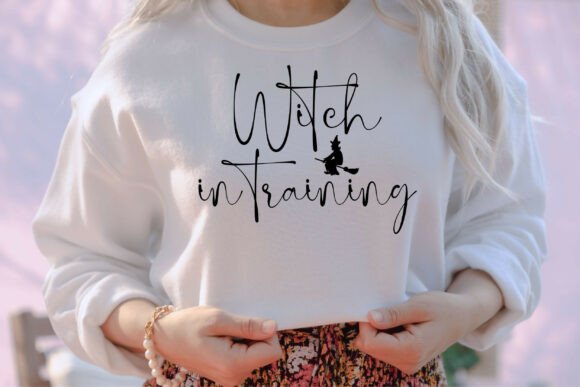
The Witch in Training design naturally belongs on lightweight to midweight fabrics where the stitching can breathe. I immediately thought of a cream or heather grey sweatshirt with the design centered on the chest, or a sturdy canvas tote bag for fall market season. The theme is specific enough to attract seasonal buyers but broad enough to work beyond Halloween—think autumn harvest markets, "spooky season" prep, or even a birthday gift for a little one who loves all things magical. The detail level sits at a sweet spot: enough small accents to feel custom, but not so dense that you lose stitch clarity on textured goods.
I tested the Witch in Training file on a mockup for a toddler-size tee first, and the proportions held up nicely. The design doesn't rely on ultra-thin lines or tiny lettering, which makes it forgiving for home embroiderers and production shops alike. If you're considering this for a custom apparel lineup, it pairs well with simple text or monogram elements—something the product hint about monogram uses already suggests.
Real-Life Embroidery Performance
I ran a test stitch of the Witch in Training design on a midweight cotton sweatshirt using a medium-weight cutaway stabilizer. The stitch out was clean, with the satin stitches holding crisp edges and the fill stitches laying flat without puckering. The design's density feels well judged for a machine embroidery design of this size—not so heavy that it stiffens the fabric, but substantial enough to give the embroidered area presence.
On a canvas tote bag, the design held its shape well, even through the thicker weave. I used a tear-away stabilizer on the tote and got good results, though I'd recommend a cutaway for anything stretchy or loosely woven. The thread colors I chose were a deep violet for the main figure with soft gold accents, and the contrast popped beautifully against the natural canvas. For a sweatshirt embroidery project, I'd suggest keeping the palette to three or four colors max to maintain that clean boutique look.
I also tested the design on a baby embroidery project—a soft pink onesie—and the smaller version scaled down nicely. Just be mindful of scaling below 70% of the original size, as the smallest details may lose definition. For commercial embroidery work, the design's adaptability across fabric types makes it a solid choice for batch orders.
Where to Use This Design with Caution
No design is perfect for every surface, and Witch in Training has a few limitations worth noting. On dark fabric, the lighter thread colors may need a white underlay or a second pass to avoid show-through. I tested it on a black tee and had to increase the density slightly to get full coverage—something to plan for if you're working with dark fabric in bulk.
For curved surfaces like caps, the design's width might require a smaller hoop or a repositioned layout. The detail in the design's accents could distort if placed on a highly curved panel, so I'd suggest testing on a practice cap first. Similarly, tiny lettering isn't a primary feature here, but any small text elements within the design should be checked for readability at reduced sizes.
Stretchy fabric like jersey knits or ribbed cuffs will demand extra stabilizer attention. A sticky stabilizer or a double layer of cutaway will prevent the stitches from sinking into the fabric. Thin fabric like silk or fine linen may show the back of the stitching, so consider a backing or a patch-style application instead of direct embroidery.
If you're producing embroidered patches, the design's shape works beautifully on a felt or twill base. Just ensure the stitch density is high enough to hold the patch edge without fraying. For holiday embroidery items like kitchen towels or pillow covers, the design adds a fun seasonal touch, but avoid high-density areas on lightweight linen to prevent puckering.
Visual Appeal, Product Value, and Customer Trust
From a buyer's perspective, the Witch in Training design communicates care and creativity. It doesn't look like a mass-produced clipart trace; it has a hand-drawn quality that feels intentional. This matters for handmade product sellers who want to justify a higher price point. When I add this design to a personalized gift listing, I can honestly say it elevates the item beyond a simple print—embroidery gives it texture and longevity.
For Etsy seller shops, the design's theme fits well with seasonal tags like Halloween, autumn, kids, witch, and training. It also opens cross-seasonal opportunities if you pair it with non-Halloween elements—think "little learner" or "apprentice" themes. The product value increases when the design is clearly legible and stitches out reliably, because customers trust that the finished item will hold up through washes and wear.
In a craft fair setting, a tote or tee featuring this design draws the eye because of its clear silhouette and balanced composition. I'd recommend creating a printable mockup with the design on a few product types—sweatshirt, tote, baby onesie—to show customers the versatility. This builds brand consistency and helps buyers imagine the design on their own item.
For digital product sellers, the Graphics type means you can also use the design in mockups, social media posts, and product previews without needing to stitch every sample. Just ensure your licensing allows for digital display alongside physical goods. The T-Shirt Designs category is spot-on here, but I've found the design works even better on structured items like aprons or caps where the embroidery really stands out.
Practical Designer Notes Before You Stitch
Before committing to a full production run, here are a few steps I always take with a new design like Witch in Training:
- Test on scrap fabric first. Use the same type and weight as your final product. Check how the design behaves on both light and dark backgrounds.
- Review thread color contrast. Preview the design in black and white mockups to ensure the shapes remain distinct. High contrast between the main elements and background thread is key.
- Check stitch density. Run a small test to ensure the fill stitches aren't too dense for your fabric. If the fabric puckers or the needle leaves visible holes, reduce density slightly.
- Confirm hoop size. The design's dimensions will determine which hoop you need. If you only have a small hoop, check whether the design fits at full size or if scaling is necessary. If the product description doesn't specify hoop size, measure the design in your software first.
- Inspect small details. Zoom into the embroidery file and look for any tiny elements that might cause trouble. Adjust or remove them if they're too thin for reliable stitching.
- Use proper stabilizer. For most apparel, a medium-weight cutaway works well. For tote bags or patches, a heavier stabilizer or a tear-away may be more appropriate.
- Check licensing. Since the product mentions "digital download alone" and "can be used for many purposes such as but not limited to monogram mak," verify whether you have the right to sell finished items or digital products. Some designers restrict commercial use without an extended license.
- Consider your workflow. If you're producing multiple items, the design's stitch count will affect your production time. Test how long it takes to complete one stitch-out and factor that into your pricing.
I also recommend creating a design assets folder with the embroidery file, a color chart, and a few mockups. This makes it easy to present to clients or customers. For a craft business that offers custom orders, having these on hand speeds up the consultation process.
Finally, don't overlook the artistic quality of this design. It stands out in a market full of generic witch hats and pumpkins because it tells a story. The embroidered product becomes a conversation piece, which is exactly what handmade sellers and boutique owners need to differentiate their offerings.
Whether you're a hobbyist making a one-off gift for a niece or a small shop product manager planning a fall collection, the Witch in Training design delivers reliable stitching and genuine charm. Pair it with quality blanks and thoughtful stabilizer choices, and you'll have a finished project that customers reach for first.