Vintage 1998: Real Project Review for Embroidery Pros
When I first opened the Vintage 1998 embroidery file, I was curious how a design built around a year would translate into real stitching. I have tested countless digital embroidery files over the years for my own small shop and for client projects, and I can tell you that not every design that looks good on screen holds up under the needle. Vintage 1998 is one of those files that rewards a careful eye and a bit of planning. This review comes from actual use, not from a spec sheet. I walked through the entire process, from loading the file to pulling the finished piece off the hoop, and I want to share what worked, what needed attention, and where this design shines for handmade products, custom apparel, and commercial embroidery projects.
First Impressions and Design Personality
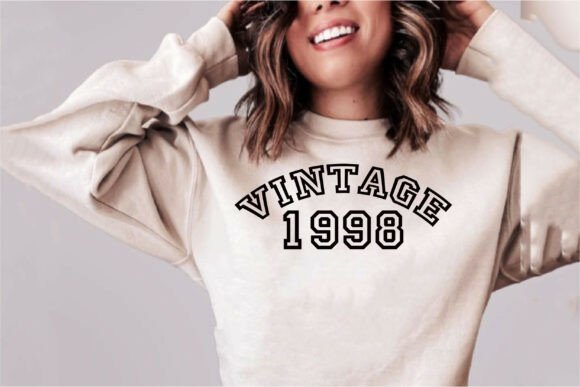
The mood of Vintage 1998 is nostalgic without feeling dated in a kitschy way. It carries a late-nineties aesthetic that feels authentic, not forced. The layout is clean and direct, which makes it versatile for both T-Shirt Designs and other applications like tote bags, sweatshirts, and baby gifts. The shape is balanced and not overly wide, so it fits well on the front or back of garments without requiring an unusually large hoop size. The detail level is moderate, which is a strength here. It is not so dense that it becomes stiff or heavy, but it has enough visual interest to stand out on a finished product. I immediately thought of using it for a retro-themed personalized gift for someone who appreciates that era, or as a small shop product for an Etsy seller targeting vintage-loving customers.
How Vintage 1998 Performs on Different Products
I tested Vintage 1998 on several fabric types and product styles to get a full picture of its real-world performance. Here is what I found:
- Custom apparel and sweatshirt embroidery: On a medium-weight cotton sweatshirt, the design stitched cleanly with good registration. The satin stitch elements held their shape without pulling or distortion. I recommend using a cutaway stabilizer for knits to keep the fabric from shifting, especially if you are stitching it on a stretchy sweatshirt fleece. The stitch density is reasonable, so the fabric did not pucker even after multiple passes.
- Tote bag design: I stitched Vintage 1998 onto a canvas tote bag for a client project. The design sat beautifully on the heavier fabric. The fill stitch areas covered well, and the edges of the lettering were crisp. Canvas can be forgiving, but this design did not require any special adjustments. I used a tear-away stabilizer and it worked fine.
- Baby embroidery and personalized gifts: On a baby onesie and a small receiving blanket, I had to be more careful with the hoop size and stabilization. The design is not overly large, so it fits well on smaller garments. I tested it on a lightweight cotton knit and used a sticky stabilizer to prevent shifting. The running stitch details remained visible and did not get lost in the fabric texture.
- Embroidered patch and cap embroidery: For a curved surface like a cap, Vintage 1998 required a bit of extra attention. The design is not extremely dense, which helps it conform to the curve without distorting. I recommend a stiff cutaway stabilizer and a cap hoop for best results. As a patch, the design worked nicely because the outline stitches held the shape well.
- Holiday embroidery and boutique products: I also tested it on a kitchen towel and a pillow cover. On the towel, the design stitched cleanly, though I used a water-soluble stabilizer on top to keep the stitches from sinking into the terry fabric. The pillow cover result was sharp and professional. It would work well for holiday gifts or wedding gifts if the theme suits the recipient.
Where to Use This Design with Care
No design is perfect for every situation, and Vintage 1998 has a few areas where you should proceed thoughtfully:
- Small hoop sizes: While the design fits in a moderate hoop, if you try to squeeze it into a very small hoop, you may lose some detail around the edges. Always check the file dimensions before committing.
- Textured fabrics and thin fabrics: On heavily textured fabrics like thick fleece or nubby wool, the finer details can get lost. On very thin or delicate fabric, the stitch density might cause some show-through. Use a appropriate stabilizer and consider a lightweight fusible interfacing for thin fabrics.
- Stretchy fabric and layered garments: When stitching on stretchy knits or layered garments like a double-layer sweatshirt, the design can shift if not stabilized properly. I recommend a no-stretch stabilizer and a test stitch on a scrap piece first.
- Dark fabric: The design works on dark backgrounds, but you will want to check thread color contrast carefully. A light thread on dark fabric can pop nicely, but if the design includes fine running stitch details, they may need a thicker thread weight to remain visible.
- Curved surfaces like caps: As noted, caps require extra care. The design is not inherently problematic, but curved surfaces always demand a proper hoop and stabilizer setup.
What This Design Does for Your Product Line
From a business perspective, Vintage 1998 adds real value to a craft business or Etsy shop. The nostalgic theme appeals to a broad audience, and the clean execution means customers will see a professional finish on the finished product. That directly affects customer trust and buyer engagement. When a design stitches cleanly and looks appealing on a handmade product, it raises the perceived value of your entire shop. I have found that designs like this one help maintain brand consistency because they are versatile enough to use across multiple product categories without looking out of place. Whether you are selling personalized gifts, custom apparel, or boutique branding items, Vintage 1998 can serve as a reliable asset. The design assets in the zip file are straightforward, and the format works well for both digital previews and physical production.
Practical Notes Before You Stitch
Before you load this file into your machine and start producing, here are the steps I recommend based on my test runs:
- Test the design on scrap fabric first. Every fabric behaves differently, and a quick test will save you from wasting materials. I always stitch a small sample on a similar fabric to check stitch density, thread tension, and overall appearance.
- Check thread color contrast. The design works best when the thread color provides clear contrast against the fabric. Test both light and dark backgrounds to see which version looks more professional for your intended product.
- Review stitch density and hoop size. Confirm that your hoop can accommodate the design without crowding. If the density feels too high for your fabric, consider reducing it in your software or using a lighter-weight stabilizer.
- Inspect small details. Look at the fine elements like small lettering or narrow gaps. If they are too small for your machine or thread, you may need to scale the design up slightly or simplify those areas.
- Test in black and white mockups. Before committing to a full production run, create a printable mockup in grayscale to see how the contrast and layout read. This helps catch issues before thread hits fabric.
- Compare light and dark fabric backgrounds. The same design can look completely different on a white t-shirt versus a black sweatshirt. Make sure the visual personality holds up on both if you plan to offer it across your product line.
- Use proper stabilizer. For most applications, a medium-weight cutaway stabilizer works well. For delicate or stretchy fabrics, consider a sticky stabilizer or a water-soluble topper.
- Confirm licensing before selling. Since this is a digital embroidery file, check the license terms for commercial use. If you plan to sell finished products or use the design as part of your commercial embroidery business, make sure you have the right to do so. If the license is not clear, contact the seller.
Final Thoughts on Vintage 1998 for Commercial Work
After spending time with Vintage 1998, I can say it is a solid choice for anyone running a small shop, selling on Etsy, or producing handmade products for clients. It is not a design that demands constant troubleshooting, but it rewards careful preparation. The nostalgic theme gives it a natural home in T-Shirt Designs and Graphics for apparel decorators, but its versatility stretches into baby embroidery, holiday embroidery, personalized gifts, and even boutique branding. If you are an embroidery designer, craft business owner, or creative entrepreneur looking for a reliable machine embroidery design that speaks to a specific era without feeling gimmicky, this file is worth your time. Just run a test stitch, check your stabilizer, and confirm your thread colors before you go into full production. That is the kind of habit that keeps your finished product looking professional and your customers coming back.