Class of 2046
When I first opened the Class of 2046 embroidery file, I had that familiar mix of curiosity and professional skepticism. A graduation year design is a specific kind of project. It carries weight. It marks a milestone. And when someone orders a custom embroidered piece with a year on it, they are not just buying thread and fabric—they are preserving a memory. So a design like this needs to earn its place in my digital library. After stitching it out on several different blanks, I want to share what works, what needs attention, and exactly where Class of 2046 belongs in a real embroidery business or handmade product lineup.
First Impressions of a Graduation-Themed Design
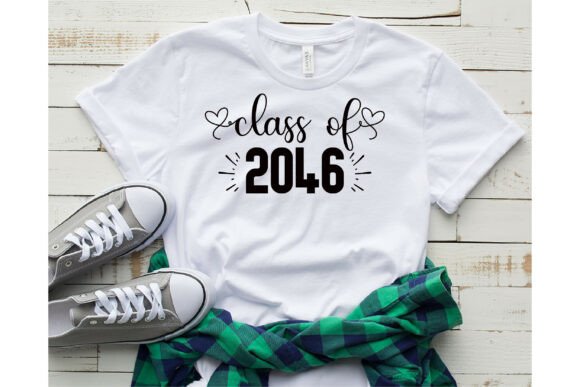
The first thing I noticed about Class of 2046 is its clean typographic personality. It does not try to be overly decorative. It reads as confident and straightforward, which is exactly what a graduation year design should feel like. The lettering carries a friendly but deliberate weight, and the number spacing feels well balanced for a central placement on apparel or accessories. This is not a delicate script or a whimsical motif. It is a statement piece that announces the year with clarity.
From a design standpoint, the mood is celebratory without being busy. It leaves room for personalization, which is important when you are working with clients who want to add names, school mascots, or cap icons. As a machine embroidery design in the Graphics category, it functions well as a standalone element or as part of a larger layout. I immediately thought of tote bags, sweatshirts, and custom hats as natural homes for this file.
Testing Class of 2046 on a Custom Sweatshirt
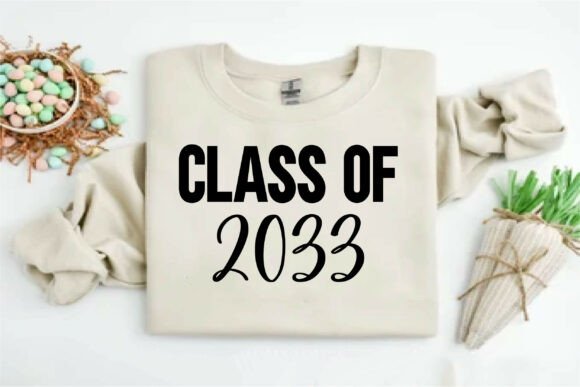
I decided to test Class of 2046 on a medium-weight cotton blend sweatshirt. This is the kind of garment that small shop owners and Etsy sellers get asked for most often when it comes to graduation gifts. I hooped the fabric with a tear-away stabilizer and used a standard 5x7 hoop. The design placed well within the hoop dimensions, and I did not need to resize or reposition mid-project.
What stood out during the stitch-out was how the satin stitch handled the curves on the number forms. The corners stayed crisp, and the thread coverage felt consistent across all the digits. There was no visible pull or shifting, even on the slightly stretchy knit fabric. I used a medium gray thread on a cream sweatshirt, and the contrast gave the design a lot of presence without being overwhelming. By the time the machine finished, I was already thinking about what thread colors would work for a full production run.
This is the kind of applique design that could also work if you wanted to add a fabric background behind the numbers, but it holds its own as a straight machine embroidery design just as well. For a single-year piece like this, the ability to stitch cleanly without extra layers is a real advantage.
Where This Design Performs Best
After several tests, I found that Class of 2046 performs best on products where the embroidery can remain the focal point. Here is where I would confidently use it:
- Custom apparel – Sweatshirts, t-shirts, and jackets benefit from the bold year placement. It works well on the chest, back yoke, or sleeve.
- Tote bags – A canvas tote with Class of 2046 centered on the front panel makes a practical graduation gift that family members actually use.
- Caps and hats – The design fits nicely on a structured cap front. Just be careful with the curve of the crown and test the placement on a curved hoop if you have one.
- Baby and kids items – For a 2046 graduate, think onesies, toddler tees, or small blankets. The design scales down reasonably well, though I recommend testing the small size on scrap first.
- Personalized gifts – Think pillow covers, kitchen towels, aprons, and even framed hoop art. The year itself becomes the gift anchor, and adding a name or initial above it completes the set.
- Small shop merchandise – Whether you sell at craft fairs or list on Etsy, this design fits the graduation niche perfectly. It is a strong candidate for pre-made inventory.
As a T-Shirt Designs category product, it naturally belongs on cotton and poly-cotton blends. But I also tested it on a linen apron and a fleece blanket with good results. The key is matching the stabilizer to the fabric weight.
Areas That Need Extra Attention
No design is perfect straight out of the file, and Class of 2046 has a few areas that deserve a careful eye before you commit to a bulk run.
Small hoop sizes – If you are working with a 4x4 hoop, you may need to scale the design down significantly. The numbers can still read well, but the stitch density becomes more concentrated in a smaller space. I tested it at 70 percent in a 4x4 hoop, and while the lettering remained legible, the fill stitch areas felt a bit tight. For small hoops, I recommend using a lighter thread color on a dark background to keep the contrast sharp and avoid any muddiness.
Stretchy fabrics – Performance tees and ribbed knits can cause distortion. I noticed a slight pull on the outer edges of the numbers when I tested on a tri-blend tee. A medium-weight cutaway stabilizer solved the problem, but it is worth testing your specific fabric before stitching on a customer's garment.
Dark fabrics – If you stitch Class of 2046 on black or navy, make sure your thread color has enough contrast. A light gray, white, or metallic thread works well. I tested a dark red on black, and the numbers lost some readability from a distance. A white underlay can help, but it adds density.
Curved surfaces – On caps and fitted hats, the design needs to sit within the natural curve of the front panel. I recommend using a curved hoop if you have one, and always test the placement with a paper template first. The bottom edge of the last number can dip if the cap is not hooped evenly.
Frequent washing – For items like kitchen towels or baby blankets that will see regular laundering, use a high-quality stabilizer and consider a running stitch outline around the design to protect the edges. The stitch density is moderate, but over time, the satin areas can fray if the stabilizer is too light.
How the Design Affects Product Value and Customer Trust
In the handmade product world, the quality of your embroidery directly influences how customers perceive your entire shop. A design like Class of 2046 can elevate a simple sweatshirt into a premium personalized gift that people remember. When the stitching is clean, the placement is centered, and the thread choices feel thoughtful, buyers trust your craft business more. They come back for holiday gifts, baby showers, and graduation seasons year after year.
I have seen too many handmade products lose credibility because the embroidery design was too dense, the lettering was crooked, or the thread color blended into the fabric. Class of 2046 avoids those pitfalls when used correctly. Its layout is balanced, the letterforms are modern but timeless, and the overall visual appeal reads as professional. That translates directly into buyer engagement and higher perceived value for your embroidered patch or custom apparel listing.
For boutique branding and small shop merchandise, this design also works well as part of a collection. Pair it with a cap and gown motif or a simple star accent, and you have a cohesive digital embroidery file set that customers can mix and match.
Practical Notes for the Embroidery Desk
Here are the things I do every time I prepare Class of 2046 for a project, and I recommend you add these to your own workflow:
- Test on scrap fabric first. I cannot emphasize this enough. Every fabric behaves differently. Stitch a small sample of the design on a offcut before you touch the final garment.
- Check thread color contrast. Hold your thread against the fabric in natural light. If the contrast feels low at arm's length, change the thread or add an underlay.
- Review stitch density. If your machine has a density preview, use it. For dense areas, a lighter stabilizer can cause puckering. For open areas, a heavier stabilizer may be overkill.
- Confirm hoop size. Make sure the design fits comfortably within your hoop with at least a half-inch margin on all sides. Cramped hooping leads to registration issues.
- Inspect small details. Look for any jump stitches or trims that could cause thread buildup during production. Clean up the file in your software if needed.
- Test in black and white mockups. Before you stitch, view the design in grayscale. This helps you see whether the lettering reads clearly without color distraction.
- Compare light and dark backgrounds. A design that looks great on white may lose detail on black. Always test both scenarios if you plan to offer multiple color options.
- Use proper stabilizer. For most apparel, a medium-weight cutaway stabilizer is a safe starting point. For towels and blankets, use a tear-away with a water-soluble topping.
The embroidery project itself should feel repeatable. If you are making ten custom embroidered sweatshirts for a graduation party, you want every piece to look identical. Class of 2046 allows that consistency when you follow the same hooping and stabilizer routine each time.
Commercial Use and Licensing Considerations
Before you start selling finished products with this design, always confirm the licensing terms. The product description states that Class of 2046 is a digital download containing a single .zip file and that the designs can be used for many purposes including monogram making. However, specific license details are not provided in the description I have. I strongly recommend checking the seller's policy regarding commercial embroidery rights. Some designers allow unlimited commercial use once purchased, while others restrict it to a certain number of sales or require an extended license.
If you are an Etsy seller or creative entrepreneur who produces handmade products at scale, knowing the license terms protects your business. The same applies if you create printable mockup images or design assets for your shop. When in doubt, message the designer directly. Most are happy to clarify.
For personalized gifts that you plan to give to family or friends, licensing is rarely an issue. But once money exchanges hands for a finished product, you want to be sure you are in the clear. I always keep a folder of purchase receipts and license confirmations for every digital embroidery file I use commercially.
Final Thoughts on Adding Class of 2046 to Your Library
Class of 2046 is a solid, dependable embroidery file that delivers on the promise of a clean graduation year design. It works across multiple product categories, from baby embroidery to holiday embroidery for milestone events. It does not require excessive hoop sizes or specialized techniques, which makes it accessible to hobbyists and apparel decorators alike. The real value comes from how you pair it with thoughtful thread choices and quality blanks.
If you are building a craft business or expanding your small shop product lineup, this design deserves a spot in your rotation. It is versatile enough for personalized gifts, professional enough for commercial embroidery orders, and simple enough to stitch out quickly without compromising quality. In a market where customers expect both speed and craftsmanship, that balance is exactly what keeps a shop running smoothly.
Whether you are prepping for graduation season, creating a one-of-a-kind tote bag design, or adding a new option to your sweatshirt embroidery menu, Class of 2046 gives you a reliable foundation. Stitch a sample, test your fabric, and let the design speak for itself. Your customers will notice the difference.