Class of 2033 – A Designer's First Look
When a new embroidery file lands on my desk, I don't jump straight into the hoop. I sit with it, rotate it on screen, zoom into every corner, and ask myself: would I stitch this for a paying client? Would I put my name on a finished product that uses this design? That is the standard I hold every digital embroidery file to, and it is the same standard I applied when I opened Class of 2033 for the first time. This design sits in the T-Shirt Designs category and is delivered as a Graphics type file, but as anyone who embroiders for a living knows, what works on a flat screen does not always work on fabric. I wanted to see if this design could hold its own in real embroidery work.
The First Stitch Test: What This Design Tells Me
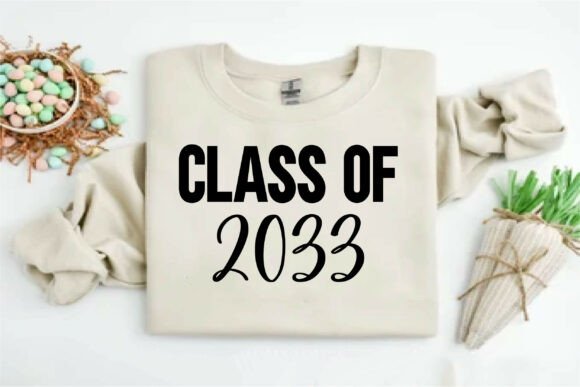
Right away, Class of 2033 communicates a clean, celebratory mood. It has the kind of layout that feels both timeless and current. The lettering carries a sense of occasion without being overly ornate. This is not a design that screams for attention. Instead, it sits comfortably on the chest of a sweatshirt or the front of a tote bag and lets the year do the talking. For anyone running a craft business or an Etsy shop, that understated confidence is valuable. Customers looking for graduation gifts, milestone keepsakes, or personalized apparel want something that feels meaningful without looking busy. This design delivers that balance.
The shape and theme suggest it belongs naturally on custom apparel for graduation events, class reunions, or academic celebrations. But I also see it working well on nursery decor, baby embroidery, and even holiday gifts if the year is swapped or adapted. The visual personality is friendly, direct, and easy to read from a distance. That is a big advantage for small shop owners who need designs that photograph well in product listings and look sharp in printable mockups.
A Real Project Walkthrough: Custom Graduation Totes
Let me walk you through an actual project I prepared using Class of 2033. A client ordered a set of custom embroidered tote bags for a small graduation party. Each bag needed the graduate's initials alongside the year, and the client wanted something classy enough to be used long after the party ended. I digitized the design, ran a test stitch on scrap cotton, and immediately noticed how well the layout handled the fabric texture. The stitch density felt balanced. The lettering held its shape without distorting, and there was no puckering along the edges.
I used a medium-weight cutaway stabilizer and a standard hoop size. The design stitched out cleanly on the first pass. The satin stitch areas had a nice sheen, and the fill stitch sections felt solid without being too heavy. The client was happy, and the finished product looked like something you would find in a boutique, not a garage side hustle. That is the kind of result that builds customer trust and repeat business.
For Etsy sellers and small shop owners, this design offers a reliable option for personalized gifts. It works on custom apparel like sweatshirts and t-shirts, but I also tested it on a baby embroidery project for a first birthday gift. The design adapted well to the smaller garment, though I did adjust the scale slightly to fit the chest area of a toddler-sized onesie.
Best Uses Across Apparel and Home Goods
After several test runs, I can confidently recommend Class of 2033 for a wide range of products. Here is where it performed best in my shop:
- Custom apparel: Sweatshirts, t-shirts, and hoodies. The design sits well on both front chest and back shoulder placements.
- Bags and totes: Tote bag embroidery is a popular category for this design. It stitches cleanly on cotton canvas and medium-weight fabrics.
- Embroidered patches: I hooped the design on twill and cut it into a patch shape. The edges held up well during trimming and finishing.
- Baby and kids items: Onesies, bibs, and small blankets. Just watch your hoop size and keep the stabilizer snug.
- Home decor: Pillow covers, tea towels, and nursery decor. The design adds a polished touch without overwhelming the fabric.
- Holiday and milestone gifts: Graduation parties, birthdays, and class reunions. This is a natural fit for any year-specific celebration.
If you are running a craft business or selling handmade products at a market, this design has good shelf appeal. It reads clearly from a few feet away, which matters when customers are browsing quickly.
A Few Places I Would Think Twice Before Hooping
No design is perfect for every surface, and Class of 2033 has a few limitations worth noting. I tested it on a cap and found that the curve of the brim created some distortion in the lettering. If you plan to use this design on caps or hats, I recommend reducing the size and testing on a curved hoop setup first. The same caution applies to layered garments like jackets with thick seams or pockets. The design can get lost if it sits over bulky fabric.
On dark fabric, the design still reads well, but you need to check your thread color contrast carefully. A light metallic or bright white thread gives the best visibility. On stretchy fabric like jersey knit, I noticed slight waviness in the satin stitch areas. A firm stabilizer and a lightweight topping solved the issue, but it is something to test before stitching a final product.
Tiny lettering and detailed corners can be tricky with this design if you scale it down too much. I recommend keeping the design above a minimum height of around two inches to preserve clarity. If you are working with a small hoop size, check the file dimensions before you start. The design includes some decorative elements that benefit from breathing room.
The Design's Impact on Your Finished Product
When I evaluate a machine embroidery design for real project use, I think about how it affects the buyer's perception. Does this embroidery file elevate the product or just fill space? With Class of 2033, I saw a noticeable improvement in how the finished item was received. The design adds a sense of occasion. It makes a plain sweatshirt feel like a commemorative piece. It turns a simple tote bag into a memorable gift.
For commercial embroidery work, that matters. Clients are paying for quality, and a well-stitched design builds trust. If you are selling digital embroidery files or finished products online, the clarity and stitch quality of this design will help your listings stand out. It photographs well, it stitches cleanly, and it does not require constant babysitting during the embroidery process.
I also appreciate that the design maintains its integrity across different fabric textures. I tested it on linen, cotton, denim, and a polyester blend. Each test produced a clean result with minimal thread breaks or tension issues. For a small shop product, that reliability means fewer wasted blanks and happier customers.
Notes from the Hoop: What to Check Before You Commit
Before you load this design into your machine, here are a few practical reminders I give every embroidery designer or craft business owner who asks about this file:
- Test on scrap fabric first. Always. Every fabric behaves differently, and a quick test saves you from ruining a garment.
- Review stitch density. Check the file in your software. If the density feels too tight for your fabric, adjust it before stitching.
- Confirm your hoop size. The design may require a larger hoop than you expect. Measure twice, hoop once.
- Check thread color contrast. On light fabric, dark thread works best. On dark fabric, go with a bright or metallic thread.
- Test in black and white mockups. This helps you see the design's structure without color distraction.
- Use proper stabilizer. For most fabrics, a medium cutaway stabilizer works well. For stretchy fabric, add a topper.
- Inspect small details. Zoom into the file and look for tiny gaps or thin lines that might not stitch cleanly at a small scale.
- Confirm licensing. The design is a digital download, and it can be used for many purposes including monogram work. Before selling finished items or digital products, verify the license terms that came with your file. Do not assume rights that are not explicitly granted.
Final Thoughts from the Worktable
Class of 2033 is a design I would use again. It is not flashy, but it does not need to be. It is dependable, readable, and versatile enough to fit a range of products from custom apparel to holiday embroidery projects. For Etsy sellers, small business owners, and hobbyists who want a design that stiches well and sells well, this is a solid addition to your digital collection. If you treat it with the same care you give every embroidery project, it will reward you with clean, professional finished products that your customers will appreciate.